


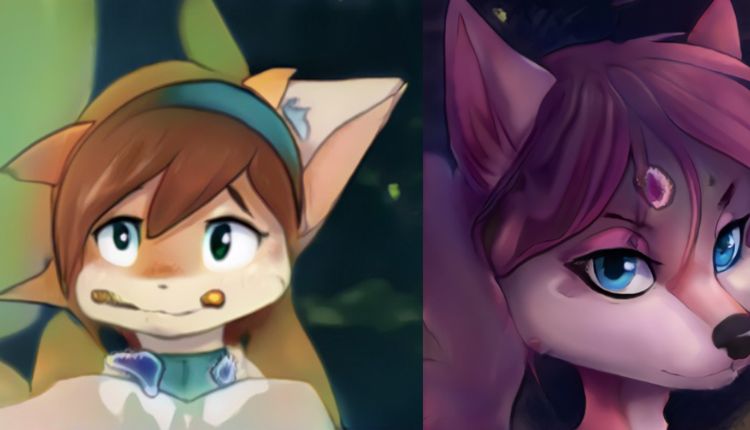
These characters are part of a wider furry fandom that focuses on creativity, storytelling, costume design and illustration. With the advent of AI image generators, more and more people are exploring artistic expression even without advanced drawing skills. Artificial intelligence helps users visualise characters, experiment with styles, and create creative worlds in a faster and more accessible way.
The growth of AI Yiff art is related to larger trends in digital creativity. Social platforms, fan communities and creative forums encourage the sharing and remixing of ideas. AI tools now act as assistants rather than replacements for artists, helping with inspiration, color palettes and pose suggestions. It makes it easier for beginners to engage creatively and still offers value to experienced artists.
AI furry art is commonly AI Yiff used for character design, profile pictures, concept art, and visual storytelling elements. Many creators use AI as a starting point and then refine the images using traditional drawing software. This hybrid approach combines automation with human creativity and keeps originality at the center of the process.
Common uses of AI furry art include:
- Character concept creation
- Support for visual storytelling
- Roleplaying avatars and profiles
- Design inspiration for artists
- Fan art and creative challenges
As technology continues to evolve, AI furry art is becoming an accepted tool in creative communities rather than something separate from traditional art.
How AI tools generate Furry-style artwork
AI Yiff image generators work by learning from large sets of images and recognising patterns related to shapes, colours, textures, and styles. When users enter prompts such as character traits, clothing, or emotions, the system predicts what the final image should look like based on previous examples it has learnt from.
AI focuses on blending animal features with human posture and expression in furry-style artwork. This includes facial structure, fur textures, tail movement and costume design. The better the challenge, the more detailed and consistent the result will be. Many users refine their prompts several times to achieve the desired visual result.
Responsive engineering plays a major role in AI furry art. Users describe elements such as species, colour patterns, mood, background and lighting. These details guide the AI to create images that match the creator’s imagination. Some tools also allow you to choose a style that can mimic cartoon, anime, or semi-realistic designs.
Key elements that AI focuses on in fur art:
- Species characteristics and anatomy
- Clothing and accessories
- Facial expressions and emotions
- Lighting and background scenery
- Colour harmony and shading
Although artificial intelligence can quickly produce impressive images, many artists still edit the results by hand. This ensures consistency across character designs and helps avoid the visual glitches that AI sometimes creates.
Why Fandom Communities Are Embracing AI Art
Fandom communities thrive on creativity, sharing, and storytelling. AI Yiff tools fit naturally into this environment as they lower the barrier to participation. People who are not good at drawing can bring their characters to life visually, increasing engagement and interaction in groups.
AI furry art also supports collaborative creativity. Writers can create character visuals for their stories, while roleplayers can design avatars that match their personalities. This strengthens the emotional connection with the fictional characters and makes the online interactions immersive.
Another reason for adoption is speed. Traditional art can take hours or days, while AI can create designs in seconds. This allows creators to experiment more freely, test ideas and refine concepts without wasting time or materials.
Benefits for fandom communities include:
- More inclusive participation
- Faster creative experimentation
- Visual support for narration
- Easier character development
- Greater community involvement
Despite concerns about originality, many fandom spaces promote the ethical use of AI by encouraging personal modifications and creative contributions. This keeps the focus on expression rather than automation.
Creative opportunities with AI Furry Art
AI Yiff art opens new doors for creative projects beyond simple images. Many creators use AI as the basis for comics, animations, and digital novels. Visual consistency between characters helps build recognisable identities, which is important for long-term projects.
Some artists use AI to generate backgrounds while hand-drawing characters. Others reverse the process by using AI for character designs and then paint their own environments. This flexibility allows creators to focus on their strengths while still creating complete works of art.
AI also helps with design exploration. Users can test out different clothing styles, color combinations, and character moods without having to redraw everything from scratch. This encourages experimentation and reduces creative frustration.
Creative uses include:
- Character sheets for stories
- Visual novels and comics
- Game design concept
- Social Media Storytelling
- Fan projects and challenges
Over time, AI furry art becomes a standard creative tool similar to digital brushes or filters for photo editing, supporting the imagination rather than replacing it.
Ethical considerations and responsible use of AI
As the art of AI Yiff, it is important to address ethical issues. Responsible use focuses on respecting the original artists, avoiding plagiarism, and not claiming that AI-generated works are fully handcrafted. Many communities support the transparency of how artwork is created.
Another issue is the fairness of the data set. Some artists fear their work is being used to train artificial intelligence without permission. This led to discussions about consent, copyright and proper attribution in digital spaces. Supporting platforms that respect artists’ rights helps build healthier creative ecosystems.
Users are also advised to avoid generating harmful or offensive content. Community guidelines often promote respectful themes and discourage stereotyping or harassment through art.
Responsible AI practices include:
- Editing and customisation of generated images
- Acknowledgement of tools used
- Respecting community rules
- Avoiding misleading claims of authorship
- Supporting original artists
Ethical awareness ensures that AI Yiff remains a positive force in creative fandoms rather than a source of conflict.
Learning and developing skills through AI Art
AI Yiff art can also be educational. Beginners AI Yiff learn about anatomy, colour theory and composition by studying images generated by artificial intelligence. Observing how lighting and shading work helps new artists improve their hand-drawing skills.
Many users use AI as a reference tool rather than a final product. They analyse poses, expressions and costume designs before creating their own versions.
Some art teachers even encourage limited AI use for brainstorming, especially for students struggling with starting ideas. Once inspiration is found, students develop the final work themselves.
Learning benefits include:
- Visual references for practice
- Understanding design structure
- Faster concept development
- Reduced creative block
- Improved storytelling visuals
When used thoughtfully, AI becomes part of the learning journey instead of replacing creative effort.
The Future of AI Yiff and Fan Art Communities
As AI Yiff technology improves, image quality and customisation options will continue to expand. Future tools may allow full character consistency across different scenes, helping creators build complete story universes more easily.
Integration with animation and virtual reality could also change how fandom content is created. Characters may become interactive, allowing fans to explore virtual environments built around their stories and art.
However, community values will remain important. Human creativity, storytelling, and emotional expression will still define fandom culture. AI will act as a supporting tool rather than the main creator.
Possible future developments:
- Consistent character models
- AI-assisted animation tools
- Interactive storytelling platforms
- Personalised creative assistants
- Better ethical safeguards
The future of AI furry art depends on balancing innovation with respect for creative traditions.
Building a Positive Creative Identity with AI Yiff
For many users, creating furry characters is about self-expression, confidence, and belonging. AI Yiff helps people visualise identities they feel connected to, strengthening emotional engagement with creative communities.
Sharing art, stories, and characters builds friendships and encourages collaboration. AI tools make this process easier, but meaningful connections still come from human interaction and shared imagination.
Creators who combine AI assistance with personal storytelling often develop strong creative identities. Their characters become symbols of growth, creativity, and community involvement.
Positive outcomes include:
- Increased creative confidence
- Stronger community bonds
- Improved storytelling skills
- Visual identity development
- Motivation to learn traditional art
AI may help start the journey, but personal creativity shapes where it leads.
Conclusion
AI Yiff art represents a powerful AI Yiff blend of technology and creativity within fandom communities. It makes artistic expression more accessible, supports storytelling, and encourages experimentation. When used responsibly, AI becomes a creative partner rather than a replacement for human imagination.
From character design to collaborative projects, AI tools help people visualise ideas and share them with others. Ethical awareness and community respect ensure that this technology strengthens creative spaces instead of dividing them.
As tools continue to improve, the future of AI-assisted fandom art looks promising, with endless opportunities for learning, creativity, and meaningful digital expression.
FAQs
Is AI furry art considered real art?
Yes, many communities consider it a valid creative tool when users contribute ideas, prompts, and personal edits. Creativity still comes from human imagination.
Can beginners use AI for learning art?
Yes, AI Yiff can help beginners understand poses, colour schemes, and composition, which supports skill development.
Do artists accept AI in fandom spaces?
Acceptance varies, but many communities allow AI art when used ethically and with transparency.
Is AI art replacing traditional artists?
No, most professionals use AI as an assistant, not a substitute. Human creativity remains essential.
Can AI help with storytelling projects?
Yes, it can create character visuals and backgrounds that support stories, comics, and role-play content.
