


The word “kemono meaning” may look simple at first glance, but it carries deep historical roots and vivid contemporary meaning. From ancient Japanese storytelling to global fan communities, the term has evolved in fascinating ways.
In this comprehensive SEO guide, you’ll discover the true meaning of kemono, its origins in Japanese, its role in folklore, its influence on anime and manga, and how it shapes modern pop culture. Each section below dives deep into a specific aspect so you get a complete and clear understanding of the term.
Origin of Kemono
The meaning of kemono meaning begins with the Japanese language itself. The word “kemono” (獣) directly translates to “beast” or “wild animal”. In classical Japanese, the term was used to describe animals that lived in the wild, distinguishing them from domesticated animals.
Historically, Japan’s mountainous terrain and dense forests have been home to a variety of wildlife, such as deer, wild boar, and foxes. People referred to these creatures collectively as “kemono”, emphasising their untamed and instinctual nature. The word carried a slightly mysterious or even dangerous tone, reflecting how people viewed wildlife in earlier centuries.
Over time, the meaning of kemono Kemono Meaning expanded beyond literal animals. In literature and oral traditions, animals often represented spiritual beings or supernatural entities. Thus, “Kemono” gradually acquired a symbolic meaning, especially in mythological narratives.
Key historical points about kemon:
- It originally meant a wild animal or beast
- Used in old Japanese texts
- Often associated with forests and mountains
- Later adopted in folklore and storytelling
The linguistic simplicity of the word contrasts with its cultural depth. Even today, native Japanese people recognize Kemono as a word with traditional roots. However, its modern global use has expanded significantly, especially through anime and internet culture.
Understanding this origin is essential before exploring how the meaning of kemono has changed over the centuries.
Kemono in Japanese folklore
In folklore, the kemono meaning becomes richer and more mystical. Japan has a long tradition of stories where animals possess intelligence, magical powers, or the ability to transform into humans.
One of the most famous examples is the fox spirit known as the Kitsune. Kitsune are intelligent foxes believed to have supernatural abilities, including shape-shifting into human form. In many stories, they test human morality, offer wisdom, or create mischief.
Another example is the tanuki (raccoon dogs), who can transform and trick people. These creatures blur the line between animal and spirit, reinforcing the deeper symbolic meaning of the kimono in Japanese culture.
In folklore, kemono are often:
- Shapeshifters
- Guardians of nature
- Tricksters or wise beings
- Symbols of transformation
Depictions of kemono in folklore reflect a strong connection between humans and nature. The animals were not just wild animals but spiritual beings sharing the same world. This worldview influenced art, religion, and later pop culture.
So the meaning of “kemono” in folklore is not just “animal”. It represents a bridge between the natural and supernatural realms. This foundation laid the foundation for how kemono would later appear in manga, anime, and global fandom communities.
Kemono in anime
In modern times, the kemono meaning has gained worldwide popularity thanks to Japanese animation. Anime often features animal characters with human characteristics, emotions, and personalities.
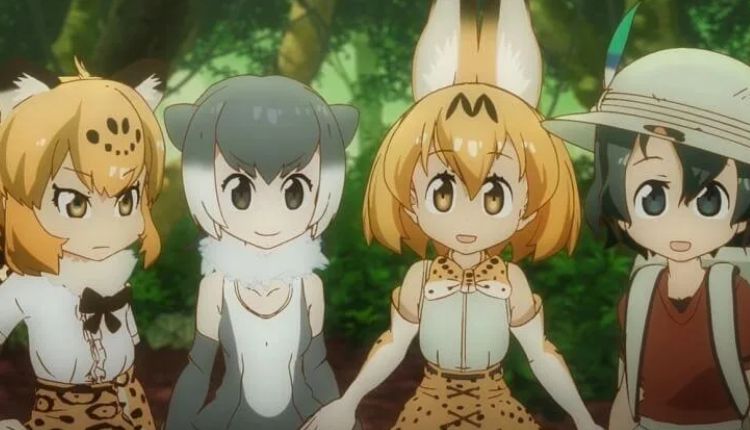
A well-known example is the anime series Kemono Friends, where anthropomorphic animal characters represent different species as they interact in a shared world. This series introduced many international fans to the concept of Kemono-style characters.
In anime, characters usually have a kimono:
- Animal ears or tails
- Fur patterns
- Hybrid human-animal bodies
- Strong emotional expressions
These characters are often cute, expressive, and stylised. Unlike Western anthropomorphic art styles, Japanese kimono designs emphasise large eyes, soft features, and emotionally appealing visuals.
Kemono characters can appear in a variety of genres, from fantasy adventure to slice-of-life stories. They can symbolise innocence, wild instincts or the merging of humanity with nature.
Because anime is widely distributed around the world, the meaning of ‘kemono’ has spread beyond Japan. Today, the term is used by many international fans to describe anime characters inspired by animals.
Anime played a key role in transforming ‘kemono’ from a traditional Japanese word to a global pop culture concept.
Kemono vs Furry
Many people wonder about the difference between kemono meaning and the Western “furry” concept. Although they share similarities, the meaning of ‘kemono’ has different stylistic and cultural roots.
Furry fandom, which developed mainly in Western countries, focuses on anthropomorphic animals with human features. These characters may appear in art, comics, or cosplay. Fandom is community-driven and often centres around conventions and online spaces.
However, Kemono art has its roots in Japanese aesthetics. It usually emphasizes:
- Finer facial features
- Big, expressive eyes
- Rounded patterns
- Cute (kawaii) elements
In contrast, Western furry art may feature more realistic anatomy or a more muscular build. The emotional tone can also vary, with kemono characters often appearing more innocent or whimsical.
Both communities celebrate creativity and character design. However, the meaning of ‘kimono’ remains closely tied to Japanese pop culture and the influence of anime.
Understanding this difference helps explain why ‘kemono’ is not just another word for ‘hairy’. Although they overlap thematically, they differ in artistic style, cultural background and historical development.
Cultural symbolism
Beyond anime and fandoms, the kemono Kemono Meaning meaning carries deep cultural symbolism. Animals in Japanese tradition often symbolise virtues, warnings, or forces of nature.
For example, foxes symbolise intelligence and mystery, while wolves historically represented guardianship in rural communities. These symbolic meanings influence how kemono characters are portrayed in modern media.
Kemono symbolism often includes:
- Instinct and freedom
- Connecting with nature
- Spiritual transformation
- A balance between wild and civilized
In the narrative, kemono characters sometimes struggle between their animal instincts and human emotions. This internal conflict reflects broader themes of identity and self-acceptance.
The Japanese Shinto faith also contributed to this symbolism, as animals were sometimes seen as messengers of spiritual forces.
Internet popularity: kemono meaning
The Internet has greatly increased worldwide awareness of the importance of kemono meaning. Social media platforms, art-sharing websites, and online forums have allowed artists around the world to adopt and reinterpret Kemono styles.
Digital artists often create kemono-inspired Kemono Meaning characters with vibrant colours and strong personalities. Hashtags and fan communities have helped spread the term beyond Japan.
Reasons for its popularity on the Internet include:
- Global access to anime streaming
- Fan art communities
- Cosplay culture
- Online character design platforms
Many creators combine elements of Kemono with fantasy, sci-fi, or gaming themes. This combination keeps the style fresh and adaptable.
The Internet has also allowed fans to discuss the cultural differences between kemono and other anthropomorphic art styles. As a result, awareness and appreciation of his Japanese roots grew.
Searching for the meaning of ‘kemono’ online today leads to discussions not only about translations but also about art styles, fandom culture, and digital creativity.
A modern interpretation
In contemporary media, the kemono meaning continues to evolve. Video games, webcomics, and animation projects often feature characters in the Kemono style.
Modern interpretations often explore themes such as identity, diversity and self-expression. Because Kemono figures blend human and animal features, they can symbolise individuality and uniqueness.
Common modern uses include:
- Design of independent game characters
- Fantasy narrative
- Digital avatars
- Online role-playing communities
The flexibility of kemono design allows creators to experiment with colors, species, and personalities. Some designs stay close to traditional folklore, while others embrace a futuristic aesthetic.
Importantly, the modern art of kimono is not limited to Japan. International artists contribute their own interpretations while respecting the origin of the term.
This adaptability ensures that the meaning of kemono remains dynamic rather than fixed in one historical definition.
Global influence: kemono meaning
The final layer of understanding the kemono meaning lies in its global influence. What began as a simple Japanese word for “animal” now represents a worldwide art movement.
Anime exports, conventions, and online communities have introduced kemono concepts to audiences in North America, Europe, and Southeast Asia. Cross-cultural exchanges continue to shape its development.
Global influence includes:
- International cosplay event
- Fan communities across languages
- Joint art projects
- Character merchandising and branding
As more people explore Japanese media, the importance of the kimono is increasingly recognised as part of wider pop culture. It is an example of how language and art can travel beyond borders.
Despite its modernisation, the basic idea remains connected with nature, transformation and creativity. This balance between tradition and innovation makes the kimono culturally significant even today.
Conclusion
The kemono meaning has travelled from ancient Japanese forests to global digital platforms. Originally describing wild animals, the term has evolved through folklore, anime, internet culture, and international fandom communities.
It symbolises nature, transformation and the intermingling of human and animal qualities. Whether encountered in mythology, animation, or fanart, kemono represents creativity rooted in tradition.
Understanding the meaning of ‘kemono’ requires recognising its linguistic origins, cultural symbolism, artistic style, and modern global interpretations. As media continues to evolve, so will the concept of kemono – ensuring it remains a vibrant part of popular culture around the world.
Frequently asked questions
- What does Kemono literally mean?
“kemono meaning” literally means “beast” or “wild animal” in Japanese.
- Is kemono the same as hairy?
Not exactly. ‘Kemono’ refers to the Japanese art style of anthropomorphic animals, while furry is a broader concept of Western fandom.
- Where did Kemono originate?
It originated in Japan as a word to describe wild animals and later evolved through folklore and pop culture.
- Why is Kemono popular in anime?
The anime uses expressive character designs, and the kimono-style characters fit well with fantasy and imaginative storytelling.
- Can non-Japanese artists create Kemono art?
Yes. Many international artists create characters inspired by kimono while respecting its Japanese origins.
- Is Kemono always cute?
Not always. While many designs emphasise cuteness, kemono characters can also appear mysterious, powerful, or dramatic, depending on the story.
