


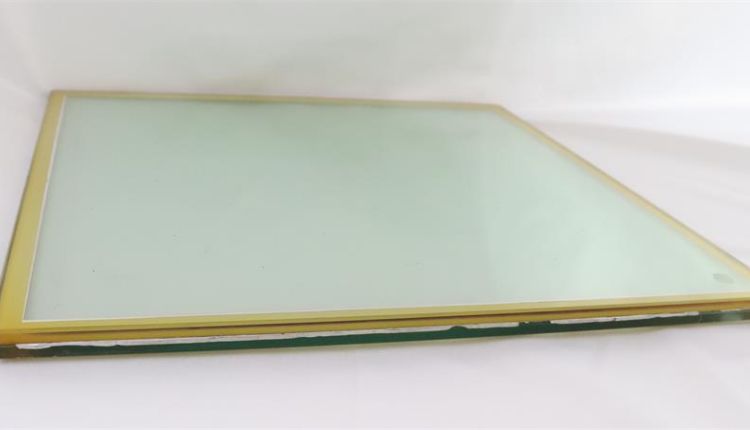
The world of advanced glazing is constantly evolving, driven by an unyielding demand for greater energy efficiency, enhanced comfort, and innovative solutions. Within this landscape, Vacuum Insulating Glass (VIG) stands as a monumental achievement, leveraging the power of a vacuum to achieve unprecedented thermal performance. At HaanGlas, we not only provide foundational VIG technology but also push its boundaries with advancements like Hybrid VIG, demonstrating a deep commitment to technical excellence and applied physics. This dive into the mechanisms of heat transfer and hybrid configurations illuminates why our solutions are truly groundbreaking.
The Fundamental Principles: How VIG Tackles Heat Transfer
To truly appreciate VIG, one must understand how heat moves and how VIG arrests its flow. Heat transfer occurs primarily through three mechanisms:
- Conduction:Heat transfer through direct contact (e.g., warm air touching a cold glass pane).
- Convection:Heat transfer through the movement of fluids (liquids or gases – e.g., warm air circulating between glass panes).
- Radiation:Heat transfer via electromagnetic waves (e.g., radiant heat from the sun or a warm wall).
Traditional windows, even double-glazed units, allow significant heat transfer through all three modes. Convection and conduction occur readily through the air or gas between panes, while glass surfaces absorb and re-emit radiant heat. Our insights into the VIG heat transfer mechanism reveal the nuanced science that makes VIG exceptional.
The Vacuum Advantage in Action
Conventional glazing struggles primarily with conduction and convection across the air or gas gap. HaanGlas VIG meticulously eliminates these two pathways by creating a near-perfect vacuum between its glass panes. Since heat cannot conduct or convect through a void, VIG dramatically reduces thermal transmittance, resulting in exceptionally low U-values.
The minimal presence of micro-spacers, which prevent the panes from collapsing, ensures that solid conduction paths are negligible. Radiant heat transfer is managed through the strategic application of low-emissivity (low-e) coatings on the glass surfaces within the vacuum, reflecting thermal radiation and further enhancing performance without compromising transparency. This innovative design ensures superior thermal isolation, making VIG a core element for energy-efficient buildings. A detailed understanding of the principles is laid out in vacuum glazing basic, forming the bedrock of advanced applications.
Exploring Hybrid VIG Performance
The term ‘Hybrid VIG’ typically refers to configurations where VIG is integrated into a larger, multi-pane system or enhanced with additional layers to achieve even more specialized performance. This could involve:
- VIG within a Triple Glazing Unit:Combining the superior vacuum layer with an additional pane and an inert gas cavity can push U-values to unprecedented lows, while also further boosting acoustic insulation and enhancing structural robustness for very demanding applications.
- VIG with Laminated Glass:Integrating VIG with a laminated pane (typically for the outer or inner layer) can significantly increase security, sound insulation (due to the damping effect of the interlayer), and resistance to shattering, offering enhanced safety for occupants.
- VIG with Specialized Coatings/Films:Beyond standard low-e, hybrid approaches might incorporate films for advanced solar control, switchable smart glass technology, or specific aesthetic properties, while still benefiting from the VIG core’s thermal superiority.
HaanGlas excels in developing these nuanced and highly specialized configurations. Our advanced manufacturing capabilities and commitment to R&D allow for the creation of customized Hybrid VIG units that precisely meet the unique performance requirements of diverse architectural projects. More specific information on these combined innovations can be found in our exploration of hybrid VIG performance.
The Technical Benefits for Architects and Builders
- Design Flexibility:Hybrid VIG allows architects to achieve ambitious performance goals with greater design freedom, often reducing overall thickness compared to a standard high-performance multi-pane unit.
- Tailored Performance:The ability to combine VIG with other glass types means projects can simultaneously optimize for thermal insulation, solar control, acoustic damping, safety, and security.
- Enhanced Comfort & Sustainability:These technical advancements directly translate into buildings that are not only incredibly energy efficient but also provide exceptional indoor comfort, supporting sustainability targets without compromise.
- Problem-Solving Glazing:Hybrid VIG can be a go-to solution for particularly challenging environments, such as those with extreme temperatures, high noise pollution, or stringent safety regulations.
Conclusion
Understanding the foundational principles of heat transfer and the sophisticated engineering behind Hybrid VIG is key to appreciating its transformative power. HaanGlas is at the forefront of this technological innovation, providing glazing solutions that don’t just insulate but empower architects and builders to design structures of unparalleled efficiency, comfort, and safety. By meticulously controlling heat transfer mechanisms and offering versatile hybrid configurations, HaanGlas VIG truly represents the pinnacle of intelligent, high-performance glazing.
