


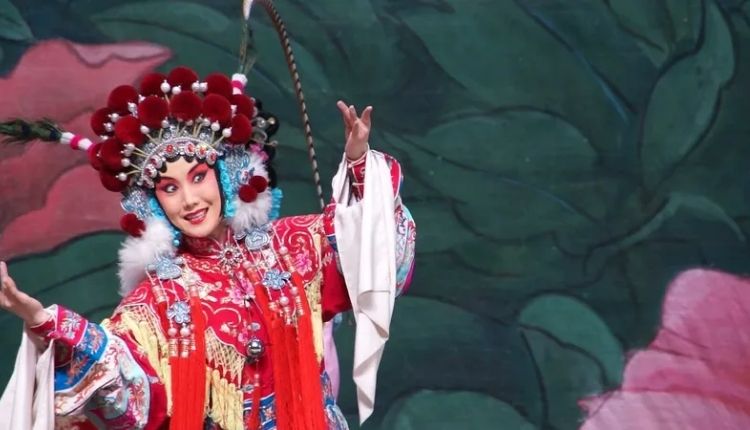
This concept is rooted in social hierarchies of pre-modern China, where status, education and moral behaviour played a critical role in the formation of influence and inheritance. UNO Zuo Gongzi understands the lens into the complexity of the social structure, family commitments and philosophical foundations of the Chinese nobility.
Historical background zuo gongzi
The term ‘Zuo Gongzi‘ historically refers to a nobleman or a young, prominent family in an ancient Chinese society. During the Zhou and Han dynasties, family lines and social status and individuals who held the Gongzi title were highly valued and were often commissioned to maintain the honour and influence of the family. These individuals were usually educated in classical Confucian texts, trained in the art of diplomacy, and promoted to the leading roles in their communities.
The name ‘Gongzi’ also shows a combination of inherited privileges and personal responsibility. The nobility was not only related to the use of wealth or power but also to the fulfilment of ethical and social obligations. The presence of such a name in historical texts emphasises the importance of the hierarchy and a complex network of social duties in ancient China.
Role and responsibility zuo gongzi
Zuo Gongzi held significant responsibilities that exceeded the private sphere of family life. These individuals were expected to represent their family in court or government affairs, to mediate disputes, and participate in cultural or political activities that reflect the position of the family. Education and the moral grounding of Gongzi were essential because their decisions often influenced both their immediate community and wider social networks.
In addition, Gongzi would be expected to act as an example of virtue. Confucian principles emphasised their sophistication, loyalty and benevolence. Therefore, the behaviour of Gongzi was closely observed, and any deviation from moral expectations could suppress the reputation of the whole family. This combination of social visibility and personal duties underlines the demanding nature of aristocratic life.
The cultural meaning of zuo gongzi
The Zuo Gongzi concept reflects the wider cultural value in ancient China. It emphasises the interconnection of family, society, and the administration of public affairs. The nobility was not only a matter of birthright but also included continuous cultivation of intellect, etiquette and moral character. Literature, poetry, and historical records often depict Zoo Gongzi as refined, articulate, and morally upright individuals, strengthening the social ideals of leadership and virtue.
Art and literature also capture the daily life and aesthetics of Gongzi. From rich banquets to scientific persecution, these shows are illustrated by a lifestyle that combined leisure, learning, and service. Through these cultural artefacts, the current audience gains insight into how aristocratic values and social expectations shaped personal identity and social norms.
Education and intellectual persecution
Education was the cornerstone of the lifestyle of Zuo Gongzi. A complex understanding of classical texts, history, philosophy and art was considered necessary. These studies were not only practical tools for management and diplomacy but also social resolution markers. Knowledge and intellectual improvement distinguished Gongzi from ordinary citizens and strengthened the hierarchy of ancient society.
The intellectual environment in which Gongzi was raised was encouraged by critical thinking, eloquence and ethical reasoning. They often participated in debates, literary composition and strategic planning and prepared them for navigating complex political and social landscapes. This emphasis on education emphasises the internal link between moral cultivation and social authority in ancient Chinese culture.
The dynamics of family and social expectations
The family structure played a key role in shaping the life of Zuo Gongzi. Strong family ties, respect for older people, and ancestral observance were essential. These young nobles were modified to maintain and improve the influence of the family and ensure the continuity of wealth, prestige and social capital.
Social expectations have spread to public behaviour, marital alliance and participation in rituals. Marriage was often strategic, aimed at strengthening links between influential families. The ability of Gongzi to fulfil these obligations was proof of personal discipline, family loyalty and social enforcement. These expectations show how private life and public duty have been complicated in the aristocratic world.
Political influence and administration
Zuo Gongzi often had access to the corridors of power and influenced politicians and political decisions through their family connections. Their advisory roles in local and regional administration made them key players in shaping social results. This political influence was supplemented by the moral obligation to act fairly and in accordance with ethical standards.
The interplay of power and responsibility illustrates the double nature of aristocratic life. While Gongzi could control significant authority, they were also bound by moral and social codes that required responsibility. The careful balance between influence and ethical behaviour is an example of the sophistication of ancient Chinese social systems.
Heritage and modern meaning
Although the formal name Zuo Gongzi no longer exists, his legacy persists in cultural and historical stories. The stories of these young nobles offer insight into leadership, responsibility and ethical behaviour. Modern scientists often study Gongzi to understand the social structure of ancient China and the ways education, family and morality intersect to shape human behaviour.
The current reflections on Gongzi also resonate in discussions on privileges and social commitment. The principles of education, civic duties and moral integrity that have guided these historical characters continue to inform modern values in leadership and social responsibility.
The Bottom Lines
Zuo Gongzi represents more than a historical name; It embodies a complex interplay of privileges, duties, education and morality in ancient Chinese society. The Gongzi study provides a rich understanding of aristocratic life, social hierarchy and cultural ideals. By exploring their duties, intellectual persecution and social expectations, we gain valuable knowledge about the moral and cultural structure that has shaped one of the most durable civilisations in the world.
FAQs
What does ‘ gongzi’ mean?
Gongzi is a historical Chinese title referring to a young noble or aristocrat responsible for adherence to family honours and social obligations.
What were the main responsibilities of Gongzi?
Zuo Gongzi were expected to manage family affairs, participate in governance, engage in cultural activities, and maintain moral conduct.
Was education important for Gongzi?
Yes, education in classical texts, philosophy, and the arts was crucial for Gongzi to gain respect, wield influence, and fulfil societal expectations.
How did Gongzi influence politics?
Through family connections and advisory roles, Gongzi could influence local and regional governance while balancing power with ethical obligations.
Is the title of Zuo Gongzi still used today?
No, the formal title is historical, but its legacy is reflected in studies of ancient Chinese society, culture, and aristocratic values.
